
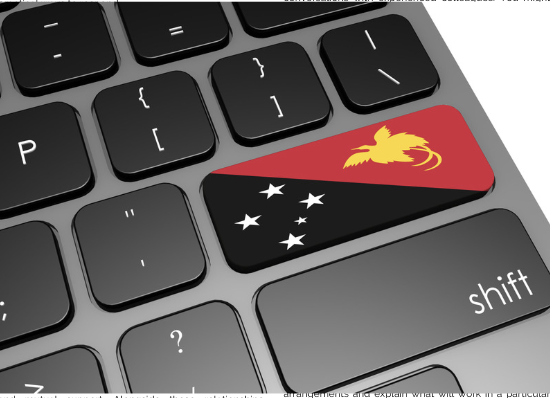
As workplaces adopt different technologies and ways of working, office professionals in Papua New Guinea face both challenges and opportunities. How can you prepare for change while drawing on the knowledge, experience and relationships you already have?
Preparation does not mean learning every new system or leaving familiar practices behind. It means understanding what is changing in your workplace and identifying practical ways to respond.
Building on local strengths
Community and collaboration are important in many Melanesian societies. These strengths can support workplace cooperation, knowledge-sharing and learning.
Administrative roles vary across PNG, as do access to equipment, reliable internet and professional development. Your next step should reflect the responsibilities of your role and the resources available to you.
The following six approaches can help you prepare.
1. Be open to change
PNG’s diversity offers many opportunities to learn from different perspectives and ways of doing things. That openness can also help when workplace processes or expectations change.
Embracing a new approach does not mean letting go of your experience or cultural values. It means considering what works well, what needs to improve and how a different approach might help.
Start with one familiar task. Could a clearer process, a shared checklist or a different way of communicating make it easier for everyone involved?
2. Broaden your professional network
The wantok system can provide important connections and mutual support. Alongside these relationships, building a wider professional network can introduce you to different experiences and ideas.
Get to know colleagues in other departments, people in similar roles and members of professional associations. Where opportunities allow, connect with professionals outside your organization or country.
Networking does not have to happen online. A conversation during training, a professional gathering or an introduction through a colleague can be a useful starting point. Share what you know as well as learning from others.
3. Keep learning
As workplaces change, continued learning helps you build confidence and prepare for different responsibilities. Choose learning that connects with your work and the areas you want to develop.
Courses and seminars can be valuable, but learning also happens through observation, practice and conversations with experienced colleagues. You might ask someone to show you a process, seek feedback on a task or discuss how another team handles a similar challenge.
Where online learning is available, consider how you will access it and allow time to put the learning into practice. Small, consistent steps can be more useful than trying to learn too much at once.
4. Build confidence with technology
Technology is most useful when it helps solve a practical problem. Focus first on the tools your organization provides and the tasks you need to complete.
You might learn how to organize electronic files, format a document, use a spreadsheet or coordinate a meeting more effectively. Ask for guidance where needed, and practice with information that is appropriate to use.
Different workplaces have different resources. Look for improvements that are achievable in your setting and follow your organization’s requirements for handling information.
5. Value your experience
Your experience of working in PNG brings valuable knowledge of local relationships, communication practices and workplace conditions. This understanding can help you anticipate difficulties, coordinate arrangements and explain what will work in a particular situation.
Recognize the value of this experience while remaining curious about other approaches. Being able to connect local knowledge with different working practices is a useful professional strength.
When discussing your contribution, explain how your knowledge helps others—for example, by preventing misunderstandings, improving coordination or making arrangements more practical.
6. Keep an open mind
New ideas and established practices can work together. Consider each approach on its merits rather than assuming that a familiar method is always best or that a new tool will automatically improve the work.
Ask questions. What problem are we trying to solve? Who needs to be involved? What resources do we have? What would help us know whether the change is working?
This approach allows you to adapt thoughtfully while respecting the people and circumstances around you.
The strength of interpersonal skills
Technology can change how tasks are completed, but effective working relationships remain essential. Clear communication, listening, reliability and awareness of cultural differences help people work together.
These skills are valuable when coordinating with colleagues, supporting leaders, dealing with clients or working across different communities and organizations. They develop through everyday practice: checking understanding, following through on commitments and responding respectfully when expectations differ.
Preparing for a changing workplace begins with recognizing your strengths and choosing where to develop next. Build on your experience, learn from others and make practical improvements that support both your work and the people who rely on it.
For practical professional development that builds on these skills, explore training opportunities for administrative professionals in Papua New Guinea.